BRINGING HERITAGE HOME
The Historic Return of Zimbabwe’s Sacred Artifacts.
After a century in the wilderness and following extensive negotiations, South Africa has officially repatriated the last of Zimbabwe’s historic soapstone birds, alongside eight ancestral human remains. The handover, celebrated at a vibrant ceremony in Harare attended by traditional leaders and government officials from both nations, marks a profound moment of healing and regional solidarity.
The return of these artifacts does not exist in a vacuum; it is part of a growing, global movement demanding the restitution of cultural heritage stolen during the colonial era. For decades, Western and colonial institutions have held onto sacred objects and human remains, often displaying them as curiosities rather than treating them with the reverence they command. By successfully negotiating the return of these items from South Africa, Zimbabwe is not only reclaiming its own history but also adding a powerful voice to the broader African demand for cultural justice. This act of regional solidarity serves as a shining example of how neighboring countries can collaborate to right historical wrongs.

Repartriation of Zimbabwean ancestral remains from South Africa, April 2026
Furthermore, the spiritual and emotional weight of this repatriation cannot be overstated. For the communities involved, the ancestral remains are not mere archaeological specimens; they are revered forebears whose graves were violently disturbed. Their return allows for proper traditional rites to be observed, closing a painful chapter of desecration. Similarly, the soapstone bird is a spiritual emblem of the nation's ancestors. Its presence back on Zimbabwean soil is viewed by many as a restoration of cosmic balance and a healing of the generational trauma inflicted by colonial plunder.
To fully understand the magnitude of this event, let's break down the core elements of its significance:
National Symbolism
Carved between the 11th and 15th centuries at the ancient city of Great Zimbabwe, the soapstone bird is one of the country’s most important national emblems. These sculptures originally stood atop stone pillars, overlooking a thriving African civilization.
Reclaiming Heritage
The birds were looted in the late 19th century during a period of colonial plunder, with some sold abroad to figures such as Cecil John Rhodes. Their return represents the successful reclamation of a history and cultural identity that colonialism attempted to erase.
Restoration of Dignity
The repatriation of the eight ancestral human remains, some of which were taken directly from graves and stored in foreign institutions for over a hundred years, finally brings peace and restores dignity to the affected families and communities.
Diplomatic Triumph
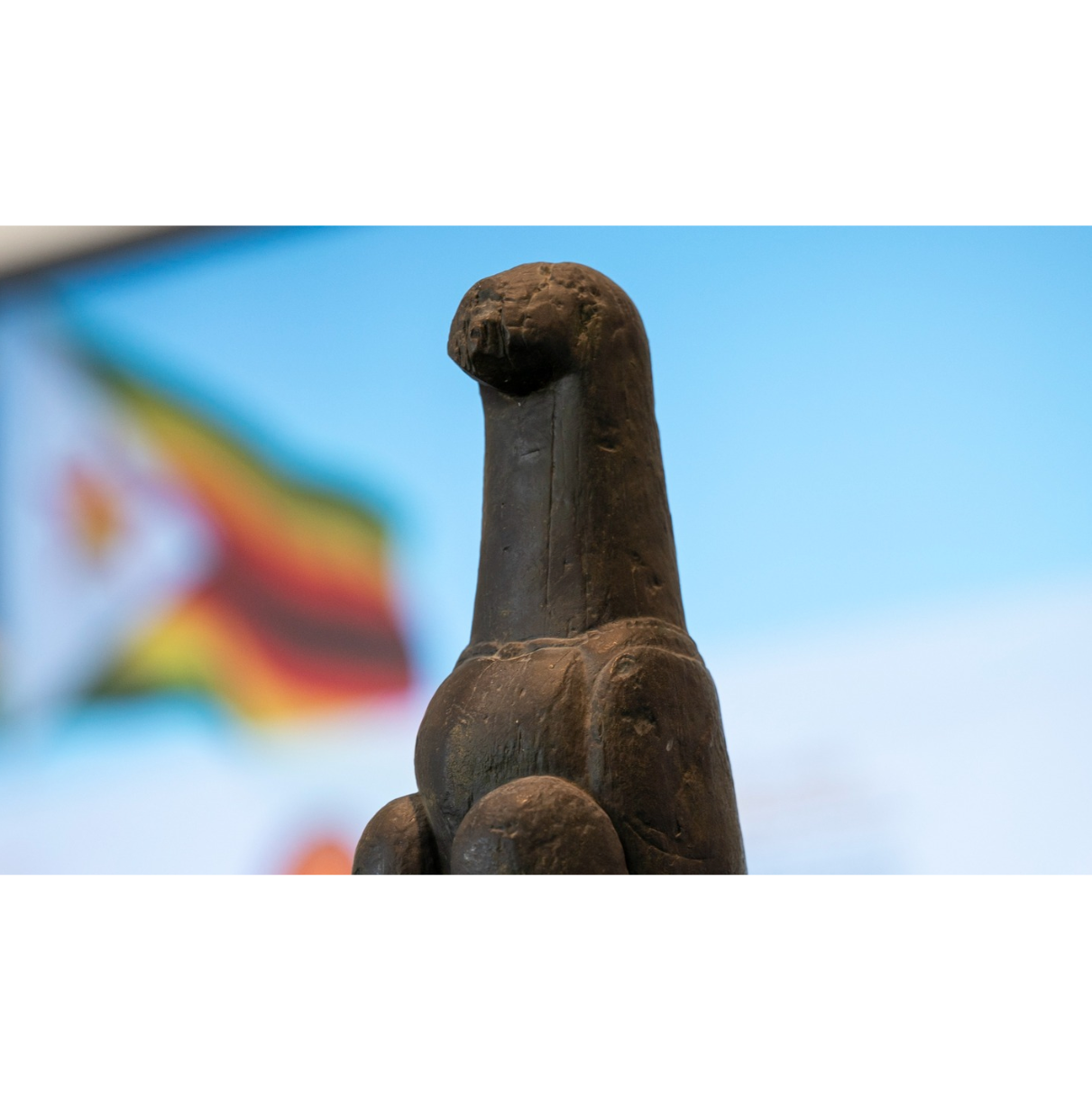
Zimbabwe Bird
Since gaining independence in 1980, Zimbabwe has relentlessly pursued the return of its stolen artifacts through complex diplomatic channels. This event highlights the success of those long-term efforts and serves as a powerful act of restitution between neighboring countries.
Ultimately, bringing these sacred items and ancestors home is more than just a transfer of historical objects; it is a vital restoration of Zimbabwe's cultural soul and a testament to the enduring resilience of its people.